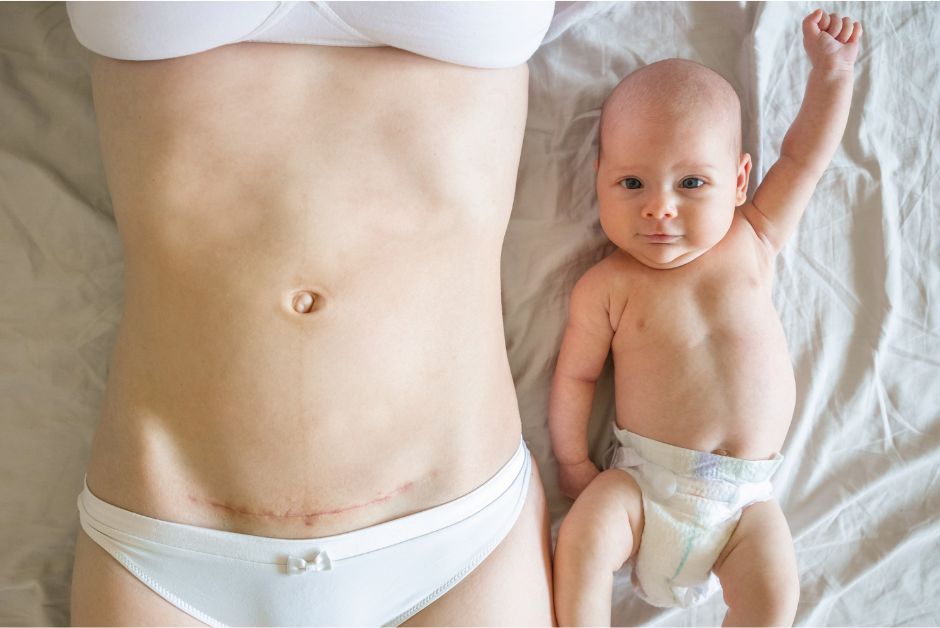
The first time I stood up after my C-section is something I’ll never forget. My legs shook, my abdomen felt tight and tender from the stitches, and I remember thinking, How am I supposed to take care of a newborn when getting to the bathroom feels this hard?
If you’re in the first two weeks after a C-section, please hear this: you are healing from major abdominal surgery while learning to care for a brand-new baby. That is no small thing.
This C-section recovery timeline will walk you through what’s normal during the first 24–48 hours, the first week at home, and what 2 weeks postpartum after a C-section typically feels like, including pain management, incision care, emotional changes, mobility, and warning signs.
Most women (not all) are cleared by their provider around 6 weeks postpartum to resume regular activity. And when you’re ready to look ahead, here’s what weeks 3–6 of healing can look like.
C-section Recovery Timeline: First Two Weeks at a Glance
- Days 1–2: Peak soreness, gas pain, difficulty standing upright
- Days 3–4: Pain often peaks at home, hormone drop, emotional overwhelm
- Days 5–7: Slight mobility improvement, swelling still present
- Week 2: Increased independence, lingering tightness and core fatigue
Incision pain and soreness are often at their worst during the first 24–48 hours. Medication is prescribed, and nurses and doctors monitor pain closely during your hospital stay.
What’s Normal During the First 48 Hours
- Fatigue and cramping: As your uterus shrinks, cramping is completely normal.
- Incision soreness and tightness: Standing fully upright may feel impossible at first. I was hunched over the first few times I stood, and that is completely normal.
- Gas pain: Gas pain can sometimes feel worse than incision pain. Talk with your provider about gas-relieving options and stool softeners.
- Bleeding: You will still experience vaginal bleeding similar to a vaginal birth.
A Personal Note on Mobility
After the spinal wore off, the soreness and fatigue slowly crept in. By day two, I felt it fully.
Standing felt like balancing on weak stilts. My legs worked, but they felt shaky and unfamiliar. The short walk from my bed to the bathroom took minutes. I couldn’t stand fully straight, and I had to concentrate on every step.
Even small movements like shifting in bed, adjusting pillows, and even getting up to hold my baby required effort.
If this is you, it’s not a weakness. It’s surgery recovery.
Pain Management in the First 48 Hours
Pillows
Hold a small pillow against your incision when standing, coughing, or laughing. Use pillows:
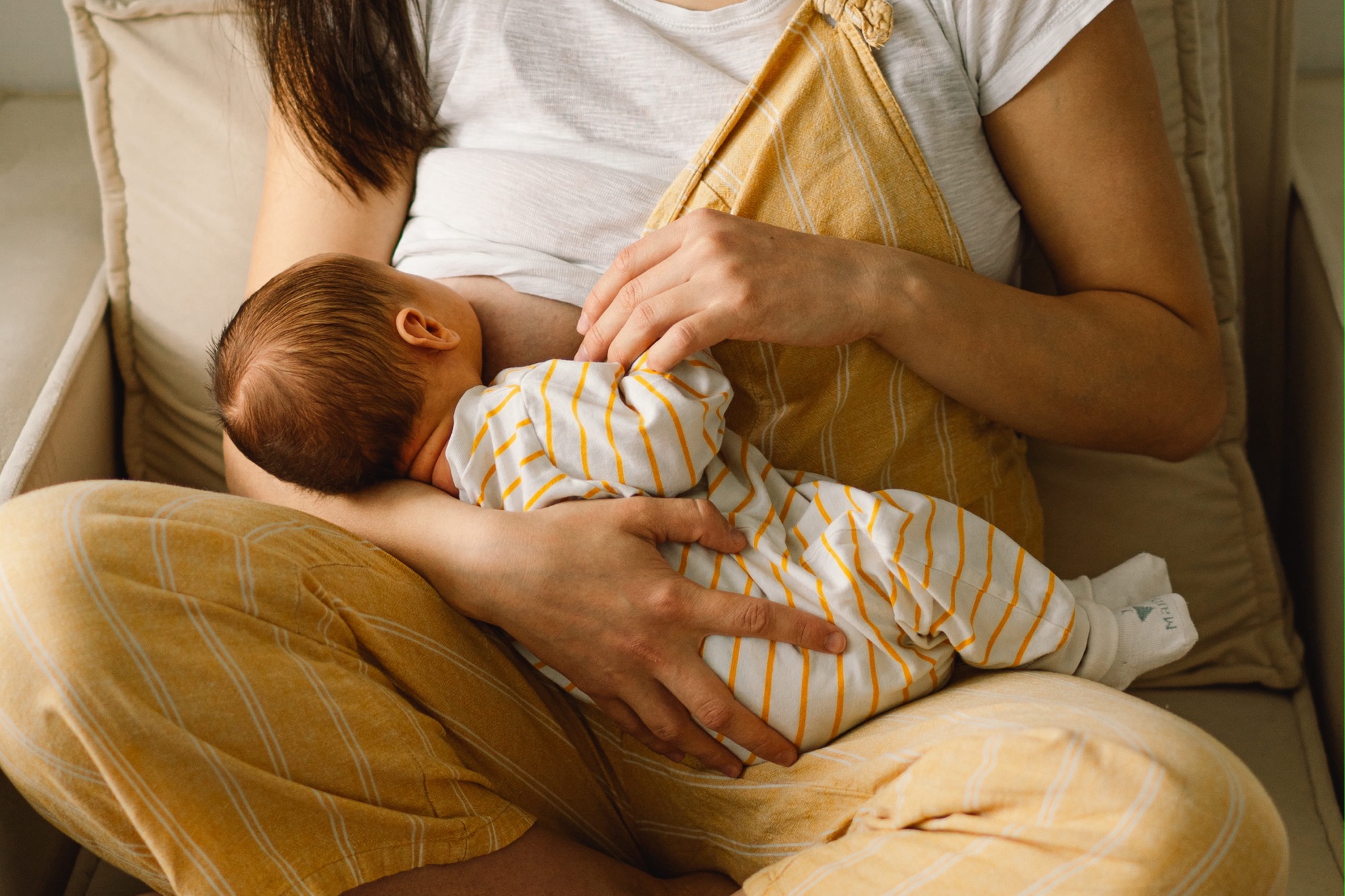
- Under arms during feeding
- Behind your back
- Under your knees while resting
Rest
Rest heals the body. Even short naps between feeds help. Looking back, I wish I rested more in the hospital while we had 24/7 nurse support.
Gentle Movement
Short, slow walks promote circulation and may help reduce gas pain. Increase gradually as tolerated.
Ice Packs
After provider approval, ice packs can reduce swelling and numb soreness near the incision.
Postpartum Belly Binder
A belly binder can provide abdominal support when standing and walking.
First Week at Home After a C-Section
Days 3–4: Pain Peak
For many women, pain peaks around day 3 or 4 especially once home and adjusting medication schedules.
- Incision soreness, tightness, sharp pulling pain
- Burning sensations
- Gas pain lingering
- Swelling and bruising
- Numbness around the incision
- A raised lower belly
Standing may feel especially sharp. Walking with a slight hunch is normal.
I also slept in a recliner the first week because getting in and out of bed was too difficult.
- No lifting heavier than your baby
- No twisting
- No bending at the waist
- Ask for help dressing
Bleeding After a C-Section
- Bleeding may feel like a heavy period the first week
- Small clots are normal
- Bleeding gradually lightens by days 5–7
Related post: How to prepare your home for C-section Recovery
Call your provider immediately if:
- You soak a pad in under an hour
- Clots are larger than a golf ball
- You develop a fever over 100.4°F
- Incision becomes increasingly red, warm, swollen, or drains pus
- You notice foul-smelling discharge
- Sudden severe abdominal pain
- Pain or swelling in one calf
If something feels off or is concerning to you, trust your instincts, it never hurts to call and get the doctor’s opinion.
Emotional & Hormonal Changes
The hormone drop around days 3–5 can be intense.
I cried randomly regularly. Nights felt heavier. Guilt and anxiety were high, especially in the evenings. Mornings felt clearer.
This is often referred to as the “baby blues,” mood swings, tearfulness, and overwhelm that peak in the first week.
If sadness feels persistent, dark, or frightening, or if anxiety feels unmanageable, please reach out to your provider. Postpartum depression and anxiety are treatable, and support matters.
If you need extra support, Postpartum Support International connects moms with trusted postpartum help and local resources.
- Postpartum Support International (PSI) – Offers free support groups and a helpline for postpartum moms. You can call or text 1-800-944-4773 (EN) or 971-203-7773 (ES).
- 988 Suicide & Crisis Lifeline (U.S.) – Call or text 988 if you are in immediate emotional distress.
You are not failing. You are adjusting hormonally and physically at the same time.
Things I Didn’t Expect
- How much it would hurt to laugh
- The emotional crash at sunset
- The fear of engaging my core
- How numbness of my stomach felt
That numbness? It’s common. Nerves were affected during surgery. Sensation may take weeks or even months to return fully.
Your core may feel weak or unstable because multiple abdominal layers were opened and repaired. That disconnected feeling is normal in early C-section recovery.
Recovery Days 5–7
Pain often becomes more manageable, but you may still feel:
- Tightness and tugging
- Swelling
- Tenderness
- Sharp pinching sensations
- Pain when coughing or laughing
Continue taking medication as prescribed. Falling behind allows pain to escalate.
Mobility
You may begin standing more upright. Gentle walking helps circulation and healing.
Still avoid:
- Heavy lifting
- Twisting
- Deep bending
2 Weeks Postpartum After a C-Section
By week two, many women notice gradual improvement but healing is still very active.
Typical Sensations
- Incision soreness
- Pulling or tightness
- Core and lower back fatigue
- Tenderness after prolonged standing
Pain may still be triggered by:
- Standing too long
- Lifting baby repeatedly
- Sneezing or coughing
- Twisting movements
This is normal at 2 weeks postpartum after a C-section.
Pain Management at 2 Weeks
- Continue pillow support
- Pace activities
- Rest between tasks
- Use heat or cold packs if cleared
- Continue approved medication if needed
Incision Care
- Let warm water run gently over the incision in the shower
- Do not scrub
- Pat dry (don’t rub)
- Avoid creams unless approved
- Keep incision clean and dry
- Wear soft, high-waisted clothing
Some redness is normal. Increasing redness, warmth, drainage, or worsening pain is not.
Scar massage and long-term scar care typically begin after 6 weeks once cleared by your provider. I’ll be sharing a full post on that soon.
Movement & Core Awareness
- Short walks are encouraged
- Gradually increase duration
- Gentle stretching may begin if approved
- Focus on posture during feeding
You may still feel disconnected from your core. That improves with time and appropriate postpartum rehabilitation.
What Helped Me Most
- My husband’s support
- Taking medication on schedule
- Using pillows constantly
- Living in high-waisted underwear and pajamas
- Sleeping in a recliner
- Short, slow walks
- Giving myself permission to heal slowly
If You Are in the First Two Weeks Right Now
You are not behind.
You are not weak.
You had major abdominal surgery.
Healing slowly is not failure.
This space is for sharing and supporting each other. If you’ve had or are planning to have a C-section birth, I would love to hear your story in the comments. You are always welcome to contact me through email or DM me on instagram.
Medical Disclaimer:
The information shared here is based on my personal experience with C-section recovery and research I’ve done along the way. Every body and every birth is different. I am not a medical professional. Please consult your OB-GYN, midwife, or healthcare provider before making medical decisions about your recovery.



Leave a Reply