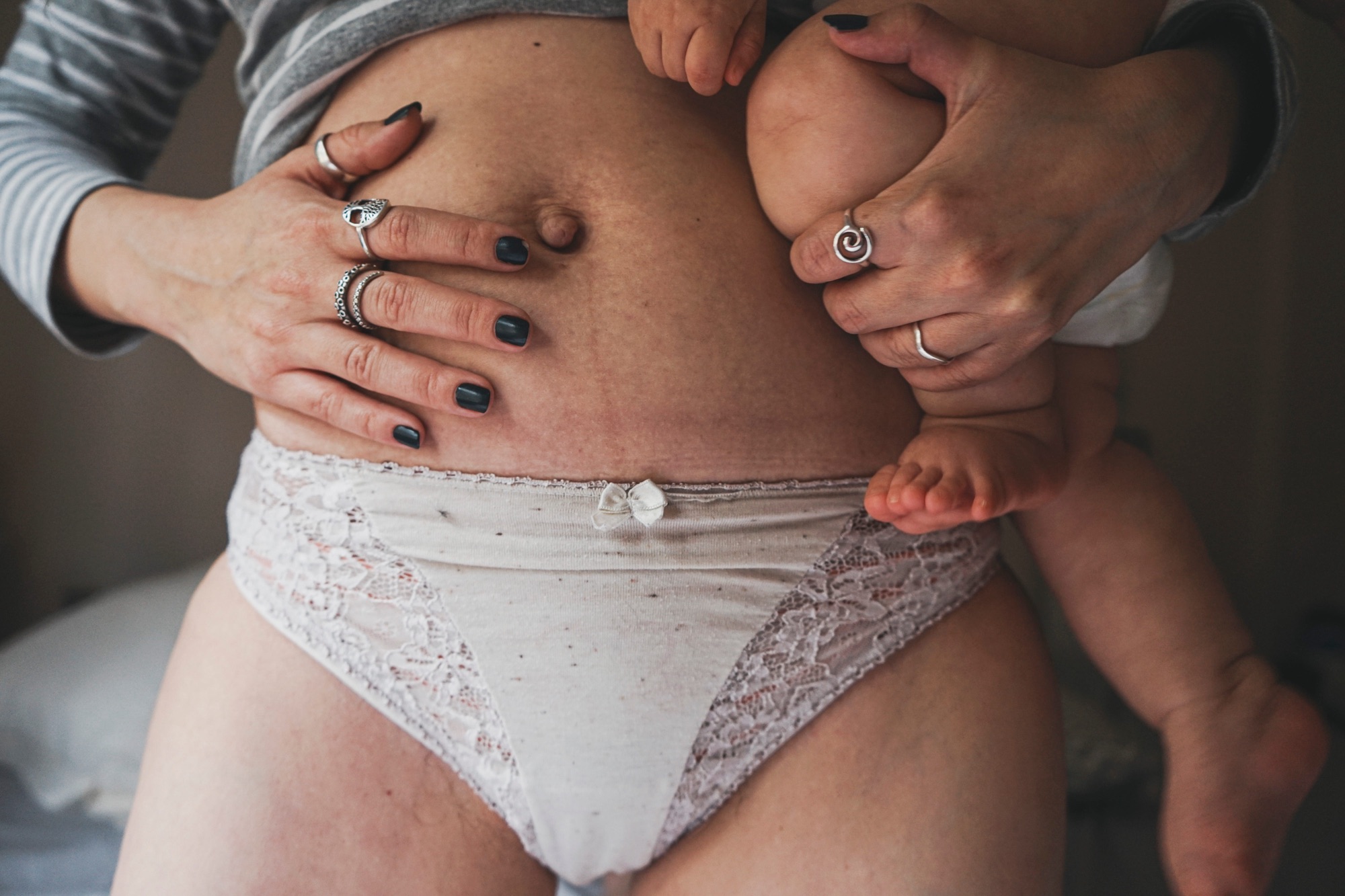
If you’re in the thick of recovery, you’re probably wondering when your body will start to feel like yours again.
For me, that turning point came around week three of C-section recovery. It wasn’t overnight but things began to shift. I could move a little easier, take slightly longer walks, lie down without bracing myself, and bend down without that intense pulling across my abdomen.
In my previous post, I shared what to expect during the first two weeks after a C-section. While week 1 and 2 are the most tender and overwhelming stage of healing, C-section recovery weeks 3–6 bring a different kind of transition. You’re no longer in immediate post-op mode, yet your body is still deeply healing both externally at your incision and internally where layers of tissue are repairing.
Previous post: C-section Recovery Timeline: The First Two Weeks at Home
Most women are cleared for regular activity at their 6-week appointment, but that doesn’t mean you feel fully healed by then.
Let’s talk honestly about what to expect during weeks 3–6 after a C-section including changes in pain, safe pain management, incision healing, scar appearance, mobility, emotional shifts, and what’s truly normal during this stage.
Related Post: Best Breastfeeding Positions After a C-section
Incision Check & Steri-Strips
By week three, you’ve likely had your post-op visit where your provider checks your incision. After mine, I was told I could begin removing my Steri-Strips, the small adhesive strips placed over the incision to support healing and reduce tension on the stitches underneath.
Steri-Strips:
- May fall off on their own around 7–14 days
- Are typically removed by a doctor unless you’re cleared to gently remove them at home
I removed mine gradually during week three, mostly in the shower once they had loosened. Even though your incision may look closed or healed, your body is still repairing deeper layers of tissue.
What Your Scar May Look Like at 3–6 Weeks
Your incision may appear:
- Pink or red
- Slightly raised
- Firm to the touch (from scar tissue forming)
- Uneven in tone
Call your provider if you experience:
- Fever
- Increasing redness or warmth
- Foul-smelling discharge
- Heavy bleeding soaking pads
- Severe or worsening pain
Changes in Pain: What’s Normal at Weeks 3–6
Pain doesn’t disappear at this stage but it does usually become more manageable
You may notice:
Less consistent soreness
In the first two weeks, pain can feel constant. By weeks 3–4, there is often relief, and pain is less steady or intense. You may still feel tenderness when getting out of bed or after prolonged standing or walking.
Easier movement
Standing upright may feel less restrictive. Walking short distances may feel smoother. Transitioning from sitting to standing becomes more manageable.
I took my first longer walk around week three. It wasn’t far but I felt accomplished. That small milestone reminded me progress was happening, even if slowly.
Less reliance on medication
Pain may feel more manageable, and you may find yourself needing medication less frequently (always consult your provider before making changes).
During weeks 3–6, pain shifts become more activity-based rather than constant. You may still experience pulling, tightness, soreness, or fatigue. These sensations are normal as deeper tissues continue healing.
New Sensations During Weeks 3–6
As nerves regenerate and tissues repair, new sensations can appear. This doesn’t mean you’re going backwards.
Random sharp or “zinging” pain
I felt “zinging” sensation when moving too quickly or sitting up fast. These nerve zings can feel alarming, but they usually decrease over time as nerves regenerate.
Numbness around the incision
This is common due to nerve disruption during surgery. Sensation may slowly return over time.
Mild itching
Itching is often part of healthy healing. As long as there’s no spreading redness, warmth, or discharge, mild itching is typically normal.
Mobility, Core Weakness & Pelvic Floor Awareness
Your core is your body’s powerhouse that supports your back, hips, and legs. During a C-section, your lower abdominal muscles are surgically separated, which means weakness and fatigue are normal even up to week six and beyond.
You may notice:
- Difficulty getting up and down from the floor
- Fatigue during longer walks
- Feeling unstable when carrying your baby
I remember giving my baby a bath and realizing how challenging it felt to lift her from floor level, especially while wet. That was a clear reminder that my strength was still rebuilding.
Even buckling the Doona car seat felt like a workout. Lifting it into the car while my abdomen was still tender showed me just how much core strength I had lost. I had to move slowly and take deep breaths. Not because I was weak, but because I was healing.
Low back soreness
By week four, my lower back would ache after standing or washing dishes. When your core isn’t fully supporting you, your back compensates. Taking short breaks, sitting when possible, and focusing on posture helped significantly.
Pelvic floor awareness
Even if you didn’t push during delivery, pregnancy alone can weaken the pelvic floor. You may notice mild pressure or small leaks when coughing, laughing, or lifting. This is common — but worth paying attention to.
Safe Pain Management During Weeks 3–6
- Continue prescribed or approved over-the-counter medication as directed
- Avoid sudden twisting or jerking motions
- Support your abdomen when coughing, sneezing, or laughing
- Gradually increase walking distance
- Focus on good posture to reduce strain
- Roll to your side before sitting up
- Continue using supportive pillows for nursing or resting
- Rest whenever possible
If pain increases after activity, that’s a sign to slow down and give yourself time or breaks. Recovery is not a race.
Weeks 3–6 can feel confusing because you’re starting to feel stronger, but the deeper layers of your abdomen are still healing.
Related Post: How to Prepare for a Scheduled C-section
Bleeding Changes at Weeks 3–6
You may notice:
- Bleeding slowing down, then briefly increasing
- Bright red bleeding after activity
- Brown discharge or spotting
An increase in bleeding after activity often means you’ve overdone it. Listen to your body and adjust accordingly.
Emotional Changes During Weeks 3–6
As physical pain decreases, emotional fatigue can increase.
You may experience:
- Persistent low mood
- Anxiety that feels intrusive
- Feeling disconnected
- Irritability beyond normal sleep deprivation
This stage can feel heavier emotionally. The adrenaline has worn off. Help may be less frequent. Hormones are still shifting. Sleep is fragmented. Your body is healing from surgery while caring for a newborn.
If emotions feel intense or don’t improve, reach out to your provider. Postpartum mental health matters just as much as physical healing.
Healing Takes Time
Everyone’s healing timeline is different.
Full internal healing often takes 6–8+ weeks. Just because you can stand upright, drive, or increase activity doesn’t mean the deeper layers are fully repaired.
You may feel ready to:
- Clean the house
- Carry your baby longer distances
- Lift the car seat frequently
- Resume normal routines
But tightness, fatigue, and soreness are your body’s reminder to move slowly and give yourself grace.
A Note on Scar Massage
During weeks 3–6, you may notice your scar feeling firm or tight. Once your incision is fully healed and closed and you are cleared by your provider then scar massage can help improve mobility and reduce that pulling sensation.
I’ll be sharing a full guide on when and how to begin scar massage safely in a future post.




Leave a Reply