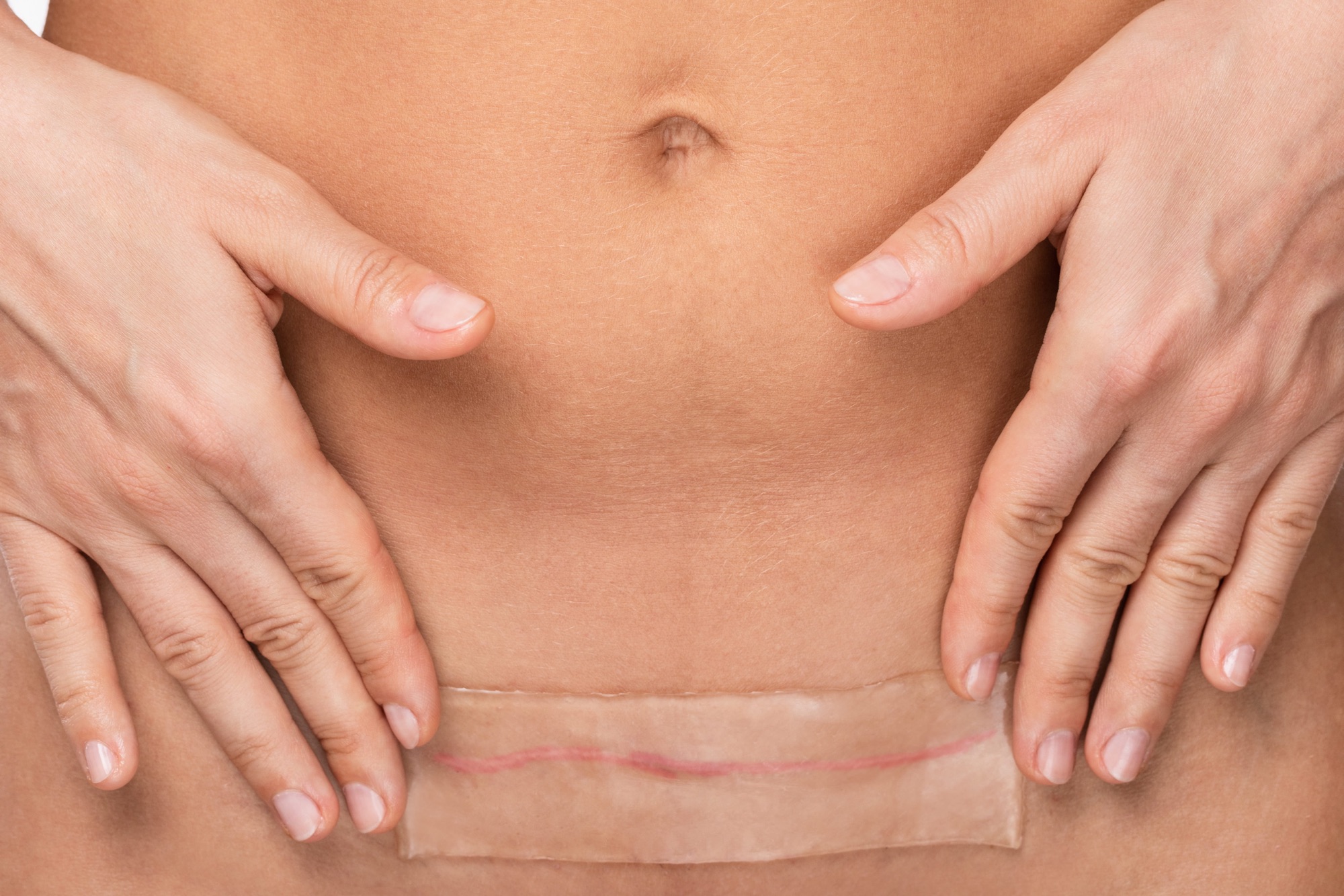
If you’re planning a C-section or are currently recovering, this post is for you. I remember exactly what those first couple of weeks felt like, the pain of simply moving, the strange tugging in my abdomen, and the overwhelming question of, “Is this normal?”
In a previous post, I shared some general pain management tips. Here, I’ll go deeper into the strategies that helped me, comfort tools that made a difference, and how I managed pain both physically and mentally during recovery.
Previous post: C-section Recovery Timeline: The First 2 Weeks at Home
Medical Disclaimer:
This post shares my personal experience and is not medical advice. Always follow your doctor’s guidance regarding medications, movement, and recovery.
Managing Pain at Home
Coming home from the hospital was the hardest part of my recovery. The stronger medications I relied on in the hospital were no longer available. Day three at home, reality hit, and I suddenly didn’t have nurse support that was the click of a button away. I had to track doses, manage pain, and care for my newborn all on my own.
Key lessons I learned:
- Stay on top of your pain medications; taking them on schedule is crucial
- Don’t “tough it out,” delaying doses made the pain harder to control
- Using alarms or reminders to help you stay on track
- Partner, family, or friends can provide invaluable support
Example: My husband helped track my medications. Even when my pain felt manageable if I forgot a dose the pain became much harder to manage.
Common Sensations After a C-Section
It’s normal to experience a variety of sensations, including:
- Pulling or tugging
- Soreness
- Fatigue
- Sharp, electric-like tugs
Knowing what’s normal can help reduce anxiety and let you focus on healing.
Medication Strategy
Medication is a key part of pain management, but it’s about strategy, not just taking it:
- Take medication as prescribed
- Set alarms to take medications on time
- Rotate medications if prescribed, without making changes on your own
- Track doses carefully, missing even one dose can increase discomfort
Tip: Keeping a written medication log can help you stay on track and prevent missing doses or taking double doses.
How to Get More Rest and Reduce Pain
Rest is a vital part of recovery, especially in the first days. Small adjustments can make a big difference:
- Take short, frequent rests whenever your baby naps
- Keep essentials like diapers, water, and snacks within reach
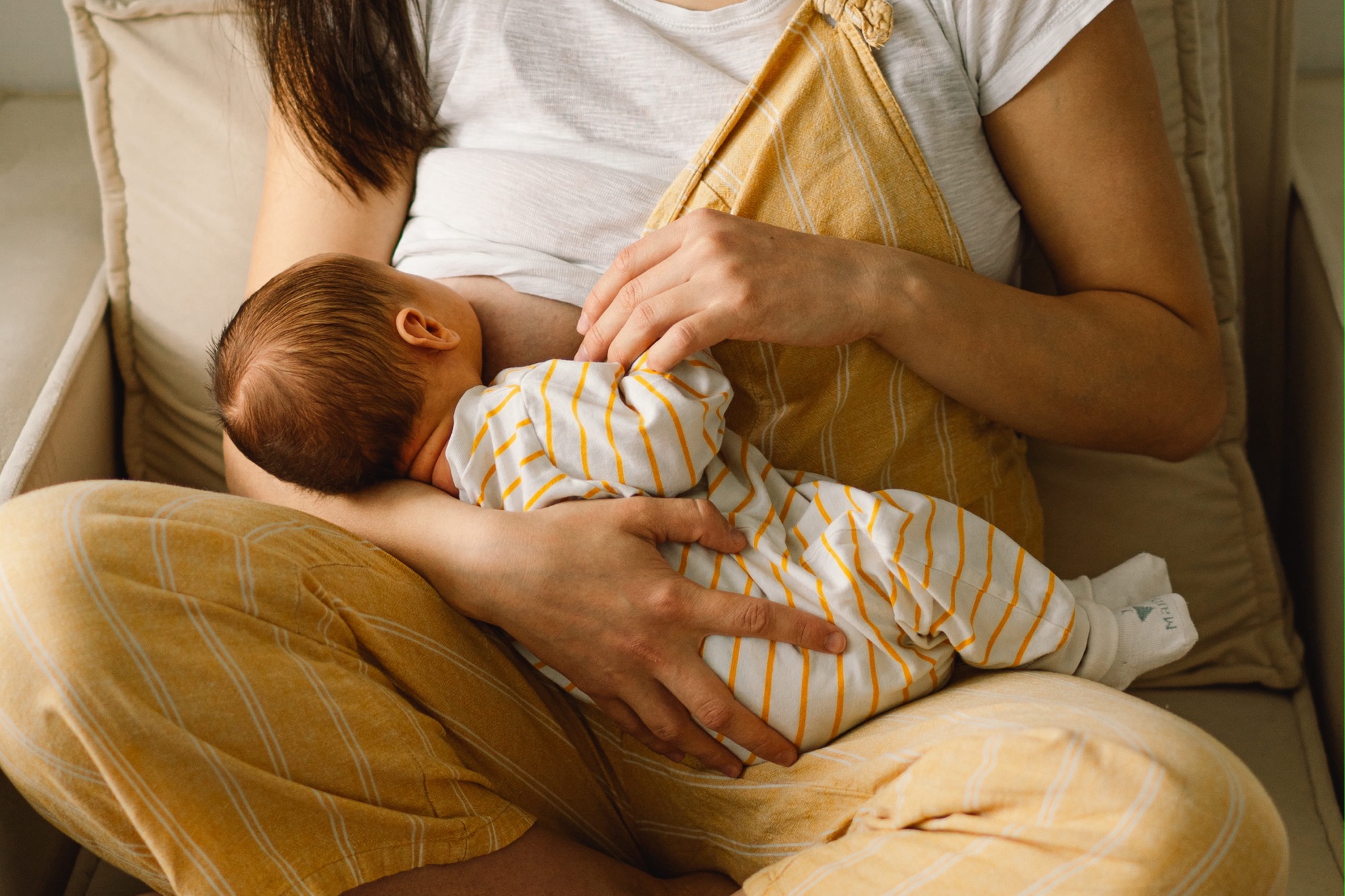
- Use a pillow or abdominal support when moving, standing, or breastfeeding
- Ask your partner, friends, or family for help with meals and chores
Setting up your home for your c-section recovery is essential in helping to reduce overexertion and promote rest. That why I created a post that includes how to post prepare your home for your recovery, setup essentials and tips.
Physical Comfort Tools
These tools aided in me in my recovery, always check with your doctor first:
- Abdominal binder: This is a wide, supportive wrap you wear around your abdomen. It helps support your core muscles and incision, reduces the pulling feeling when moving, and can make standing, walking, or coughing more comfortable.
- Ice packs: Ice packs can help reduce swelling, bruising, and inflammation around your incision. Apply for 10–15 minutes at a time, making sure to wrap the ice in a thin cloth to protect your skin.
- Heating pad for back or shoulders: After a C-section, other muscles may compensate for your core muscles, or you may spend hours nursing, which strains your back, shoulders, and neck. A heating pad relaxes muscles and relieves tension, making movement and holding your baby more comfortable.
- Pillow bracing for sneezing, coughing or laughing: This acts like extra support for your abdominal wall, decreasing sharp pain and protecting your stitches.
- Compression socks: These help improve circulation in your legs, reducing swelling and lowering the risk of blood clots after surgery. Best for the first few days of recovery.
Movement Strategy
While rest is important, gentle movement is crucial for recovery. Staying consistent with movement is key while being mindful of overexertion discomfort to prevent increased soreness.
- Learn safe ways to get out of bed using a rolling technique.
- Take short, gentle walks to prevent stiffness and improve circulation.
- Use pillows for support when sitting, standing or feeding.
- Moving carefully can reduce long-term pain, even if it hurts at first.
Mental Pain Management
Recovery isn’t just physical, it’s emotional too:
- Many moms experience postpartum anxiety, baby blues, or hormonal lows.
- Acknowledge your feelings and reach out for support if needed.
- Mental stress can amplify physical pain, so prioritize rest, self-care, and asking for help.
If you need immediate help:
• Postpartum Support International (PSI) – Offers free support groups and a helpline for postpartum moms. You can call or text 1-800-944-4773 (EN) or 971-203-7773 (ES).
•988 Suicide & Crisis Lifeline (U.S.) – Call or text 988 if you are in immediate emotional distress.
Daily Tracking & Mindfulness
- Pain journal: Track pain level, triggers, and relief strategies. I have a daily pain level check-in printable at the end of this post.
- Breathing & relaxation: Deep breathing, meditation, or guided postpartum exercises can reduce discomfort and stress.
Safe Breathing Exercises After a C-Section
Consult with your doctor before starting breathing exercises to make sure they are safe for your recovery.
1. Micro-Breaths / Mini Relaxation Breaths
When: Best in the early days of recovery
How to do it:
- Sit or recline comfortably.
- Take 1–2 slow, gentle breaths, hand resting lightly on your chest or upper belly.
- Exhale fully and pause for a moment.
- Repeat several times a day.
Why: Reduces stress, lowers perceived pain, and doesn’t strain the incision.
2. Deep Diaphragmatic Breathing
When: Best for recovery around week 3-4 or when deep breaths are more manageable
How to do it:
- Lie on your back or side with a pillow under your knees or between your legs.
- Place one hand on your chest, one on your belly.
- Breathe slowly through your nose, letting your belly rise (not your chest).
- Exhale slowly through pursed lips.
Benefits: Reduces stress, lowers muscle tension, and can temporarily lessen pain perception.
Extra tips for safety and comfort:
- Support your incision with a small pillow or folded blanket.
- Start slow: 5–10 minutes is enough.
- Avoid straining: if it feels uncomfortable or you feel tugging – stop and try again the next day or change position.
- Try a reclined position.
- Stop if sharp pain occurs.
Red Flags: When Pain Is Too Much
C-section recovery usually comes with gradual improvement in pain, but certain signs require prompt medical attention:
- Incision warning signs: Redness, swelling, warmth, pus, or a foul smell.
- Fever or chills: Could indicate infection. Call your healthcare provider.
- Sharp, sudden abdominal pain: Especially if persistent, may signal internal issues.
- Excessive bleeding: More than a normal postpartum lochia pattern.
- Leg pain/swelling: Could indicate a blood clot.
Trust your instincts if you feel that something is off or if pain is worsening. Seek medical professional help immediately when necessary.
What Made My Pain Worse
- Skipping medications
- Doing too much on a “good day”
- Sitting for long periods without support
- Not supporting my incision when sneezing, coughing, or laughing
Healing from a C-section takes time. The pain can feel intense in the beginning, and it can be frustrating when your body won’t move the way you want it to. This season is temporary. Each day your body is repairing itself, even when progress feels slow.



Leave a Reply