
If you are planning to have a C-section, setting up and preparing your home ahead of time can make a huge difference in your recovery. A thoughtful setup can help reduce overexertion, increase independence, and minimize strain on your incision in those early days after birth.
The reality of postpartum energy levels is different from pregnancy fatigue, your body is recovering from major abdominal surgery, experiencing a huge hormone drop and sleepless nights with a newborn. Conserving your energy isn’t a luxury at this stage, it’s essential.
In this post, I’m sharing what I learned from my personal experience after my scheduled C-section including what I did that helped and what I wish I had done differently.
Create a Main Recovery Station
While gentle movement is important for recovery, overexertion can increase soreness and slow healing.
Having one central recovery station makes a big difference.
What to include:
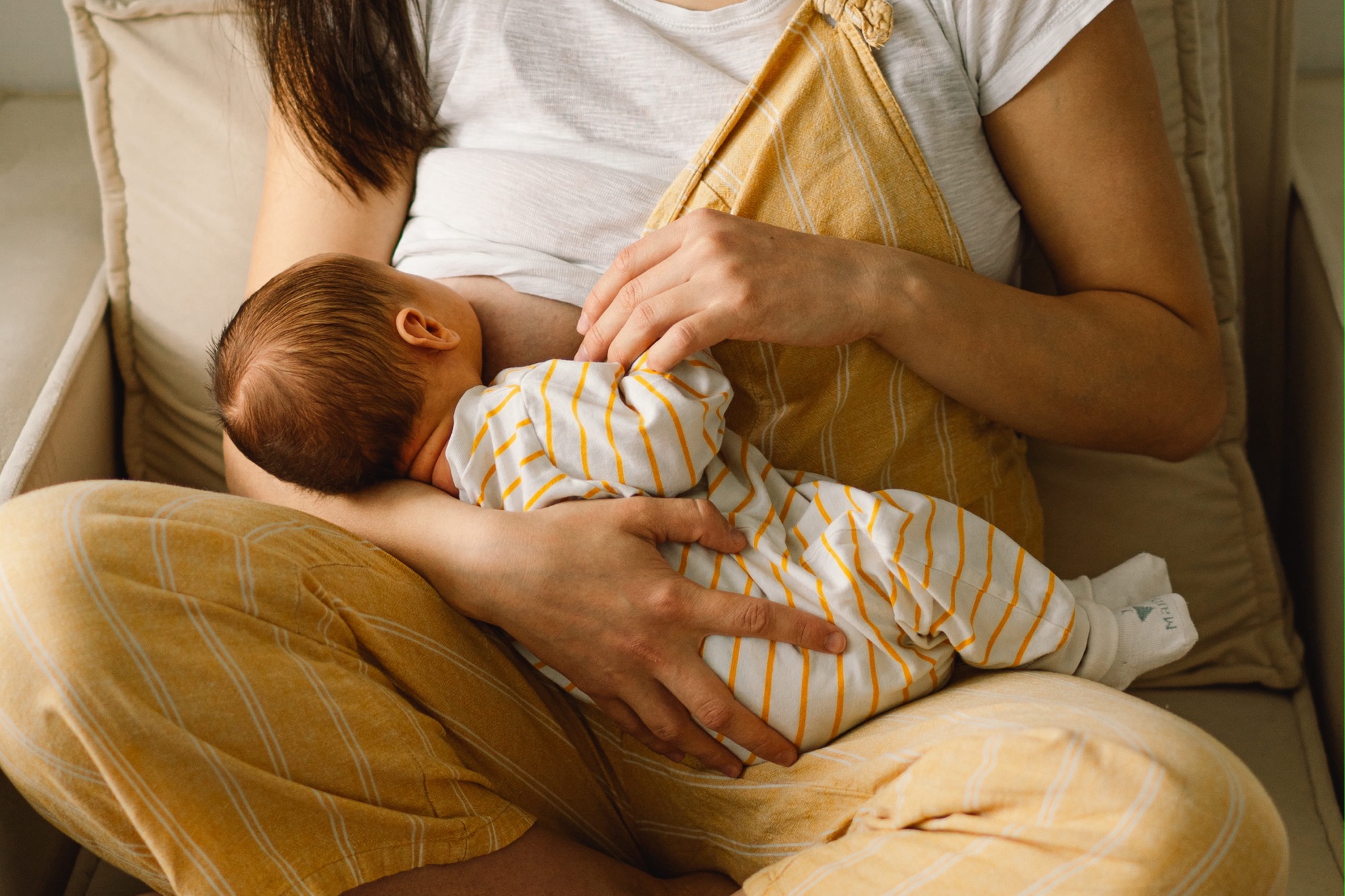
• A supportive, comfortable chair with firm back support
• Plenty of pillows for abdominal support and breastfeeding
• A side table or rolling cart
What to keep within reach:
• Water bottle
• Snacks
• Phone charger
• Medications
• Burp cloths
• Baby essentials
• Breastfeeding essentials – posted here
Having everything within arm’s reach reduces unnecessary standing and helps you conserve energy.
Bedroom Setup
For the first week, I actually slept in the living room recliner because it was more comfortable for my incision. Don’t be afraid to adjust your setup based on what feels best for your body.
Things to consider:
• Extra pillows for propping and rolling
• A step stool if your bed is high
• Nightstand stocked with medications and water
• Dim lighting for nighttime feeds
• Bassinet positioned to avoid twisting
Twisting is typically restricted after a C-section, so positioning your nightstand, cart, or bassinet thoughtfully can help limit strain on your incision.
Related post: C-section Recovery Timeline: The First 2 Weeks at Home
Bathroom Setup
This is something I did not think about before my C-section, but looking back, it was essential.
General setup:
• Stool softeners (if approved by your doctor)
• Loose clothing within easy reach
• Shower chair if helpful
• Toiletries placed at waist level to avoid bending
Bathroom cart or table:
• Peri bottle
• Maternity or postpartum underwear
• Overnight pads
• Towels within reach of the shower
The first few showers can feel intimidating. Having everything set up ahead of time makes the experience much less overwhelming.
Kitchen Setup
The last thing you will likely want to do after surgery is cook.
• Move frequently used items to waist height
• Prepare freezer meals ahead of time
• Stock easy grab-and-go snacks
• Use paper plates if needed to reduce dishes
We had a lot of people bring meals the first week, which was wonderful. Looking back, I wish I had prepared more freezer meals for after that support slowed down.
Create a Movement-Friendly Layout
Small layout adjustments can protect your incision and reduce fatigue.
• Clear walking paths
• Reduce clutter
• Move commonly used items to waist height
• Avoid stairs early on if possible
Your home should support healing, not make it harder.
Plan Your Support System
Preparing your home is important but preparing your support system is just as crucial.
Before delivery, ask:
• Who is helping with meals?
• Who is handling laundry?
• Who is lifting a toddler, if applicable?
• Who is helping track medications?
• Who is assisting with diaper changes or nighttime feeds?
People often say chores can wait but eventually they need to be done. Having these conversations ahead of time reduces stress during recovery and allows others to step in more confidently.
You just had major abdominal surgery while adjusting to life with a newborn. That is not an easy thing to navigate alone. Always ask for help when needed.
Related Post: C-section Pain Management: Tips, Tools, & Strategies
What I Wish I Had Done Differently
• I would have created two recovery stations instead of one
• I should have moved more items to counter height
• I wish I had simplified meals even more
• I wish I had mentally prepared to need more help during the first two weeks
Physical preparation matters but mental preparation matters just as much.
A Home That Helps You Heal
Preparing your home before a C-section isn’t about perfection or deep cleaning. It’s about creating an environment that supports healing. Small adjustments can reduce strain, conserve energy, and make those early days feel more manageable.
Set up your space like you won’t be fully mobile for at least two weeks because realistically, you won’t be. Give yourself permission to rest, receive help, and recover at a slower pace. Your body just did something incredible, and it deserves time to heal.



Leave a Reply